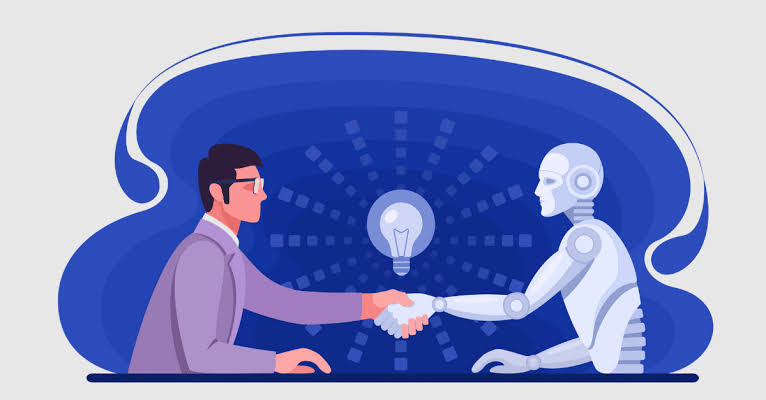
Generative Artificial Intelligence (GenAI) is transforming Human Resources (HR) by changing how organizations recruit talent, manage employees, deliver HR services, and develop workforce capabilities. Traditionally, HR teams have spent significant time handling administrative tasks, maintaining employee records, answering routine questions, and coordinating recruitment activities. Generative AI is helping organizations automate many of these activities while creating opportunities for more personalized, strategic, and employee-centered HR practices.
As businesses embrace digital transformation, GenAI is emerging as an important technology for improving operational efficiency and enhancing the employee experience. Its value extends beyond automation: it can help HR professionals develop learning content, analyze workforce feedback, support managers, and improve access to organizational knowledge.
The next phase of HR transformation will focus on combining AI-powered productivity with human judgment, empathy, and responsible workforce management.
What Is Generative AI in HR?
Generative AI in Human Resources refers to the use of AI models that can generate text, summaries, reports, learning materials, responses, and other content to support HR activities.
Unlike traditional automation, which generally follows predefined rules, generative AI can interpret natural-language instructions and create context-specific outputs. When integrated with enterprise HR systems and approved data sources, it can also help employees and HR professionals retrieve relevant information and complete routine tasks.
Common applications include:
- Drafting job descriptions and recruitment communications.
- Answering employee questions about HR policies.
- Summarizing interview feedback and employee surveys.
- Creating training materials and learning resources.
- Supporting performance review preparation.
- Generating HR reports and workforce summaries.
Generative AI outputs require appropriate validation, particularly when they involve employee information, organizational policies, or decisions affecting people’s careers.
1. Transforming HR Process Automation
One of the immediate benefits of generative AI is its ability to reduce repetitive administrative work.
HR departments handle numerous activities, including employee inquiries, policy documentation, recruitment communications, onboarding instructions, and internal reporting. Many of these tasks require reading, writing, summarizing, and organizing information.
Generative AI can assist with these activities by producing first drafts, summarizing lengthy documents, classifying requests, and preparing responses for review.
For example, an HR professional preparing an onboarding email can use GenAI to create a personalized draft based on the employee’s role, joining date, and approved onboarding guidelines.
Similarly, an HR service team can use AI to summarize a complex employee inquiry before routing it to the appropriate specialist.
These applications can reduce manual effort, improve consistency, and allow HR professionals to focus on higher-value responsibilities.
2. Improving Recruitment and Talent Acquisition
Recruitment is a major area of opportunity for generative AI. Hiring teams frequently need to create job descriptions, communicate with candidates, coordinate interviews, and prepare hiring documentation.
GenAI can help recruiters draft job advertisements, tailor candidate communications, develop interview questions, and summarize candidate information against defined job requirements.
It can also assist in creating structured interview guides that align with the skills and competencies required for a position.
For example, when recruiting a data analyst, an HR professional could use GenAI to prepare interview questions covering SQL, data visualization, analytical reasoning, and business communication.
Key benefits include:
- Faster preparation of recruitment materials.
- More consistent candidate communication.
- Improved recruiter productivity.
- Better organization of interview documentation.
- Support for structured, competency-based interviews.
However, AI-generated candidate rankings and recommendations should be carefully reviewed. Organizations must test recruitment tools for bias, protect candidate information, and ensure that hiring decisions remain fair and accountable.
3. Creating Personalized Employee Experiences
Employee experience is becoming a strategic priority as organizations seek to improve engagement, productivity, and retention.
Generative AI can support personalized employee services by helping workers access relevant information, understand workplace policies, and navigate HR procedures.
AI-powered assistants can answer common questions about leave, benefits, attendance, payroll procedures, and employee development programs using approved organizational information.
For instance, an employee seeking information about parental leave could receive a clear summary of the relevant policy and guidance on the next steps.
When connected to authorized HR workflows, AI assistants may also help prepare requests or direct employees to the appropriate service channel.
Personalized support can improve accessibility and reduce the time employees spend searching for information. Organizations must nevertheless protect sensitive employee data and provide access to human assistance when a question is complex or requires individual judgment.
4. Reinventing Learning and Development
Continuous learning is essential in workplaces affected by automation, AI adoption, and changing business requirements.
Generative AI can help HR and learning teams develop training materials, create knowledge assessments, produce scenario-based exercises, and summarize complex learning content.
It can also support personalized learning recommendations based on an employee’s role, career interests, and development objectives.
For example, employees moving into leadership positions could receive learning resources covering communication, conflict resolution, team management, and performance coaching.
GenAI can further assist learning teams in adapting the same training material for different employee groups, experience levels, or learning formats.
This approach can make learning more accessible and help organizations build the skills required for future business needs. Human experts should review generated content for accuracy, relevance, and alignment with organizational standards.
5. Supporting Performance Management and HR Decision-Making
Performance management involves goal setting, feedback collection, development planning, and regular conversations between employees and managers.
Generative AI can help managers prepare performance review drafts, summarize documented feedback, organize employee development goals, and identify topics for discussion.
It can also help HR teams analyze themes across employee surveys and prepare summaries of organizational feedback.
For example, GenAI could summarize recurring comments about training opportunities or internal communication and help HR leaders identify areas for further investigation.
These capabilities can reduce documentation effort and improve access to useful information.
However, AI should not independently determine employee performance, promotion eligibility, compensation, or termination. Generated summaries may omit context or reproduce biases in the underlying data. Managers must verify information and make consequential decisions through fair, transparent processes.
6. Moving from Automation to People Transformation
The greatest opportunity for generative AI lies in transforming how HR creates value for employees and the business.
Traditional HR automation often focuses on completing existing tasks faster. People transformation takes a broader approach by redesigning how employees access services, develop skills, collaborate with managers, and progress in their careers.
Generative AI can contribute to this transformation in several ways.
Strategic workforce planning: AI can summarize workforce trends and help HR leaders explore future skills requirements.
Employee development: Personalized learning resources can support reskilling and internal career mobility.
Manager enablement: AI can help managers prepare for feedback conversations, team planning, and employee development discussions.
Knowledge management: Employees can access approved policies, procedures, and internal knowledge more easily.
Organizational effectiveness: HR teams can use AI-generated summaries and analysis to identify process bottlenecks and improvement opportunities.
The goal is to give HR professionals more capacity for activities that require human understanding, including leadership development, employee relations, organizational culture, and change management.
7. Challenges of Generative AI Adoption in HR
Despite its benefits, generative AI introduces important risks that organizations must address.
Data Privacy and Security
HR systems contain confidential employee information, including compensation details, performance reviews, and personal records. Organizations should establish strict access controls and use approved AI environments that meet their security and privacy requirements.
Accuracy and Reliability
Generative AI can produce inaccurate information or present unsupported conclusions confidently. HR policies, employment information, and generated reports should be checked against authoritative sources.
Bias and Fairness
AI systems may reproduce biases present in training data or organizational records. Recruitment, performance management, and talent decisions require careful testing and human oversight.
Employee Trust
Employees may worry about how AI affects their privacy, job security, and career opportunities. Clear communication about AI usage and meaningful access to human support can help build trust.
Change Management
HR professionals need training to use AI effectively. Organizations should explain how the technology supports existing roles, establish usage guidelines, and encourage responsible experimentation.
8. Best Practices for Implementing Generative AI in HR
Organizations can adopt a structured approach to maximize value while managing risks.
- Identify high-value use cases: Start with activities such as policy summarization, HR knowledge assistance, job description drafting, and training content creation.
- Establish governance: Define approved tools, data access rules, accountability, and review requirements.
- Protect employee information: Apply data minimization, role-based permissions, and appropriate security controls.
- Keep humans involved: Require qualified review for sensitive content and decisions affecting employees.
- Train HR professionals: Develop skills in prompt writing, output validation, AI literacy, and responsible technology use.
- Measure outcomes: Track time saved, response accuracy, employee satisfaction, adoption rates, and compliance incidents.
- Improve continuously: Use employee feedback and pilot results to refine workflows before expanding adoption.
Starting with clearly defined use cases enables organizations to evaluate benefits and risks before integrating GenAI into more sensitive HR processes.
The Future of Generative AI in Human Resources
Generative AI is likely to become increasingly integrated into HR platforms, employee service systems, recruitment tools, and learning environments.
As these technologies develop, AI assistants may work alongside Agentic AI systems capable of coordinating multistep workflows across connected applications. For example, an employee service assistant might explain an onboarding requirement, while an authorized workflow agent coordinates the necessary tasks.
This evolution could make HR services more proactive, personalized, and efficient.
Nevertheless, technology alone cannot create a positive workplace. Human empathy, leadership, trust, and ethical judgment will remain essential to successful people management.
Organizations that combine generative AI with responsible governance and a clear people strategy will be better positioned to improve employee experiences while building adaptable workforces.