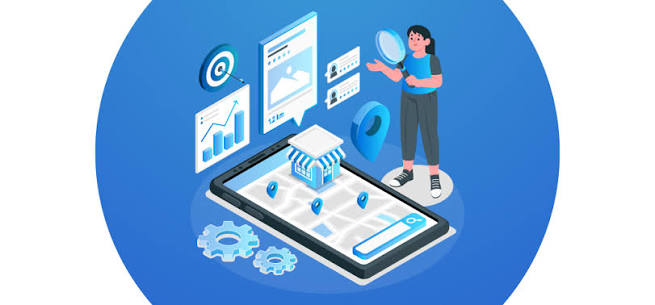
Digital Inside Sales has become an important part of modern business growth strategies. As organizations increasingly adopt digital communication channels, businesses are changing how they identify prospects, generate leads, engage customers, and close deals.
Unlike traditional field sales, digital inside sales uses technology-driven approaches such as email marketing, video conferencing, CRM platforms, social selling, and automated lead management to connect with potential customers.
From startups to large enterprises, organizations are investing in digital inside sales teams to improve customer acquisition, increase revenue, reduce sales costs, and expand into new markets.
Understanding effective digital inside sales strategies can help businesses build stronger customer relationships and achieve sustainable growth.
1. What Is Digital Inside Sales?
Digital Inside Sales refers to the process of selling products and services remotely through digital communication channels and online platforms.
Sales professionals interact with prospects without requiring face-to-face meetings. They use technology to identify potential customers, understand business requirements, demonstrate solutions, negotiate pricing, and close deals.
Common digital inside sales channels include:
- Email marketing and personalized outreach.
- Video conferencing and virtual product demonstrations.
- LinkedIn and other professional networking platforms.
- Website inquiries and online lead generation.
- CRM-based customer engagement.
- Automated sales communication tools.
Digital inside sales is particularly valuable for B2B organizations, SaaS companies, technology providers, consulting firms, and enterprise solution businesses.
2. Top Digital Inside Sales Strategies for Business Growth
A. Develop a Strong Lead Generation Strategy
Lead generation is the foundation of successful digital inside sales.
Businesses need to identify potential customers who are genuinely interested in their products or services. Instead of approaching a broad audience, sales teams should focus on prospects who match their ideal customer profile.
Effective lead generation techniques include:
- LinkedIn prospecting.
- Website inquiry management.
- Targeted email campaigns.
- Content marketing.
- Webinars and online events.
- Referral-based lead generation.
A well-defined lead generation strategy helps sales professionals focus their efforts on qualified prospects and improve conversion rates.
B. Use CRM Platforms for Better Sales Management
Customer Relationship Management (CRM) platforms help sales teams organize customer information and manage the complete sales pipeline.
CRM solutions allow businesses to track prospect interactions, schedule follow-ups, monitor deal progress, and analyze sales performance.
Popular CRM platforms include Salesforce, HubSpot, and Microsoft Dynamics 365.
With centralized customer information, sales representatives can personalize conversations and maintain consistent communication throughout the sales cycle.
C. Implement Personalized Email Outreach
Email remains an important communication channel for digital inside sales teams.
However, generic promotional messages often fail to generate meaningful responses. Businesses should focus on personalized email communication based on customer requirements, industry challenges, and purchasing interests.
Effective email outreach should include:
- Relevant subject lines.
- Personalized introductions.
- Clear business value propositions.
- Customer-specific solutions.
- Professional follow-up messages.
- Strong calls to action.
Personalized communication helps establish credibility and encourages prospects to participate in meaningful business discussions.
D. Leverage Social Selling
Social selling involves using professional networking platforms to identify prospects, build relationships, and establish industry credibility.
Platforms such as LinkedIn help sales professionals connect with decision-makers, business owners, procurement leaders, and senior executives.
Successful social selling strategies include sharing industry insights, engaging with relevant discussions, publishing informative content, and connecting with potential buyers.
Rather than focusing only on direct sales pitches, professionals should build trust and demonstrate how their solutions address customer challenges.
E. Use Data Analytics to Improve Sales Performance
Data-driven decision-making helps organizations understand which sales strategies are delivering results.
Sales managers can analyze customer engagement, lead conversion, sales cycle duration, pipeline value, and revenue performance.
Important sales performance indicators include:
- Lead-to-Opportunity Conversion Rate.
- Opportunity-to-Win Ratio.
- Customer Acquisition Cost (CAC).
- Average Deal Size.
- Sales Cycle Length.
- Revenue Generated per Sales Representative.
- Customer Retention Rate.
Regular performance analysis helps businesses identify weaknesses and improve sales productivity.
3. Role of AI and Automation in Digital Inside Sales
Artificial Intelligence and automation are transforming digital inside sales operations.
AI-powered tools can help sales professionals identify potential customers, prioritize leads, analyze customer interactions, and automate repetitive administrative activities.
Some important applications include:
AI-Based Lead Scoring: Helps prioritize prospects based on their engagement levels, business requirements, and likelihood of conversion.
Automated Follow-Ups: Helps sales teams schedule timely communications and maintain consistent prospect engagement.
Conversational AI: Supports customer interactions through intelligent chatbots and automated responses.
Sales Forecasting: Uses historical and current sales data to estimate future revenue opportunities.
Sales Content Personalization: Helps create relevant communication based on customer interests and buying behavior.
These technologies allow sales professionals to spend more time building relationships and closing business opportunities.
4. Essential Skills Required for Digital Inside Sales Professionals
Professionals working in digital inside sales need a combination of communication, technology, and business development skills.
Key skills include:
- Strong verbal and written communication.
- B2B sales and business development.
- Lead generation and prospecting.
- CRM platform knowledge.
- Negotiation and closing techniques.
- Digital marketing fundamentals.
- Data analysis and reporting.
- Customer relationship management.
- Product and solution knowledge.
- Virtual presentation skills.
Senior sales professionals should also develop leadership, strategic planning, revenue management, and team performance management capabilities.
5. Challenges in Digital Inside Sales
Although digital inside sales offers several advantages, businesses may encounter challenges during implementation.
Some common challenges include:
- Difficulty reaching senior decision-makers.
- Low response rates from prospects.
- Poor-quality leads.
- High competition in digital channels.
- Inconsistent follow-up activities.
- Longer enterprise sales cycles.
- Limited personalization in automated communication.
Organizations can overcome these challenges by improving lead qualification, investing in sales training, using effective CRM systems, and developing customer-focused communication strategies.
6. How Digital Inside Sales Drives Business Growth
A well-planned digital inside sales strategy can directly contribute to business expansion.
It helps organizations reach customers across different geographical markets without maintaining large field sales teams.
Businesses can also reduce travel expenses, improve sales productivity, generate qualified opportunities, and accelerate customer engagement.
For enterprise organizations, digital inside sales can create a scalable sales model that supports global customer acquisition and long-term revenue growth.
Conclusion
Digital Inside Sales is no longer just an alternative to traditional selling. It has become an important business growth strategy for organizations operating in competitive digital markets.
By combining CRM technology, personalized communication, social selling, data analytics, and AI-powered automation, businesses can improve lead generation and create stronger customer relationships.
Organizations that invest in skilled sales professionals, modern digital tools, and customer-focused sales processes can build efficient inside sales operations and achieve sustainable revenue growth.