Procure to Pay (P2P) is a critical business function that connects procurement, finance, accounts payable, and supplier management activities. It covers the complete purchasing lifecycle, beginning with purchase requisitions and supplier selection and ending with invoice processing and supplier payments.
In today’s competitive business environment, organizations are increasingly focusing on P2P Operations and Process Excellence to improve procurement efficiency, control operational costs, strengthen financial governance, and enhance supplier relationships.
Traditional procurement processes often involve manual approvals, repetitive invoice processing, delayed payments, and disconnected systems. These challenges can increase operational costs and affect business productivity.
By implementing standardized workflows, automation technologies, and continuous improvement strategies, organizations can transform their P2P operations into efficient, transparent, and scalable business functions.
Understanding P2P Operations
P2P operations manage the complete purchasing and payment cycle within an organization. The process ensures that business requirements are fulfilled through approved suppliers while maintaining financial controls and procurement compliance.
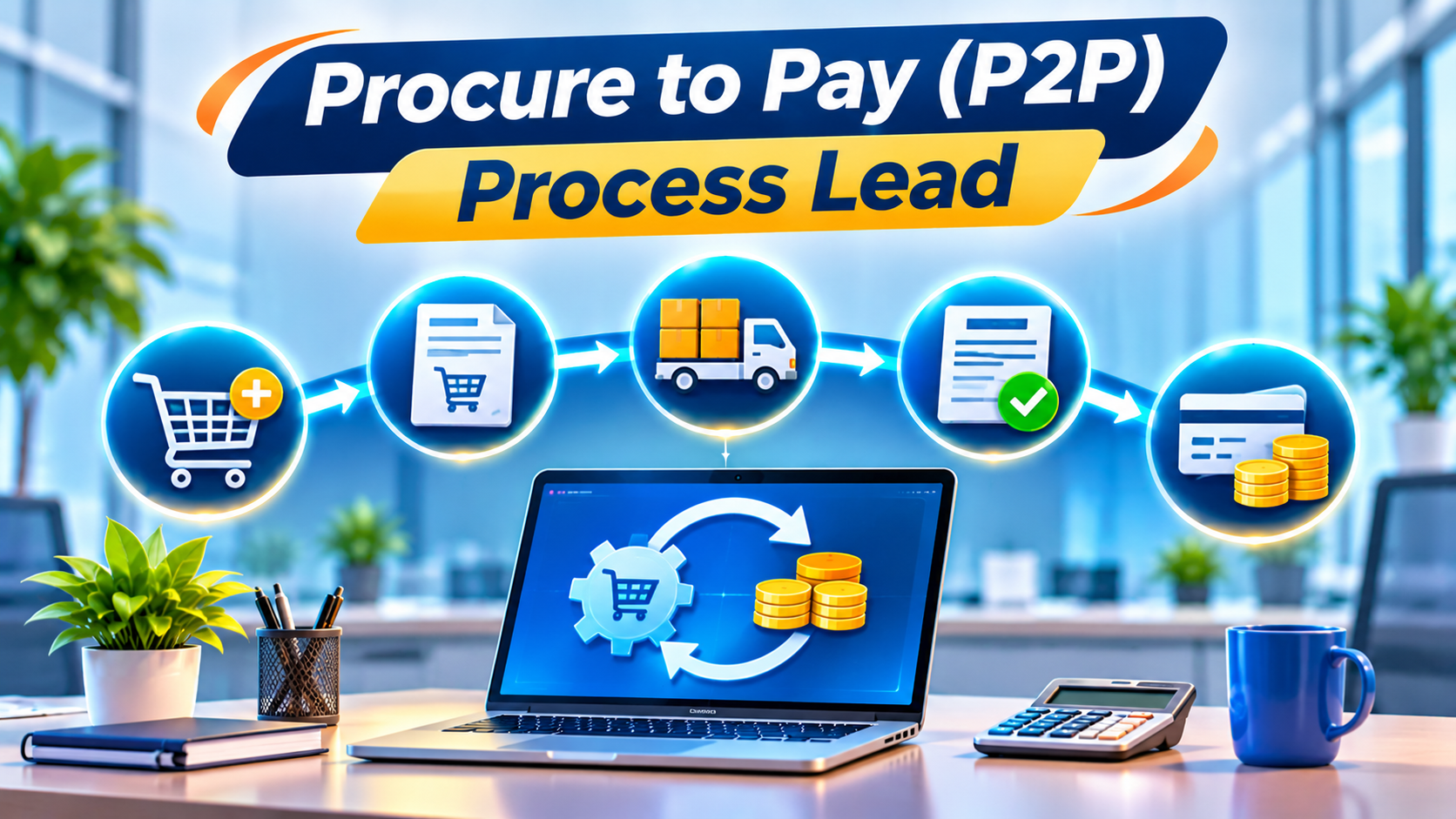
The major stages of the P2P process include:
- Purchase Requisition: Identifying business requirements and creating purchase requests.
- Supplier Selection: Evaluating suppliers based on cost, quality, availability, and service capabilities.
- Purchase Order Creation: Generating approved purchase orders.
- Goods or Services Receipt: Confirming that ordered products or services have been delivered.
- Invoice Processing: Receiving, validating, and matching supplier invoices.
- Invoice Approval: Ensuring invoices meet organizational approval requirements.
- Payment Processing: Executing supplier payments according to agreed payment terms.
- Reporting and Reconciliation: Monitoring procurement spending and maintaining accurate financial records.
An effective P2P operating model ensures that these activities are completed accurately and within defined timelines.
1. Improving Procurement Efficiency Through Process Standardization
Process standardization is one of the foundations of P2P excellence.
Organizations often operate across multiple departments, business units, and geographical locations. Without standardized procurement procedures, purchasing activities can become inconsistent and difficult to monitor.
Standardized procurement workflows help businesses establish consistent approval procedures, purchasing guidelines, supplier onboarding requirements, and invoice processing practices.
Key improvement initiatives include:
- Establishing centralized procurement policies.
- Standardizing purchase requisition procedures.
- Implementing structured approval workflows.
- Defining clear process ownership.
- Reducing unnecessary manual activities.
- Improving coordination between procurement and finance teams.
Standardization improves transparency, reduces errors, and makes procurement operations easier to manage.
2. Strengthening Supplier and Vendor Management
Supplier management plays an important role in successful P2P operations.
Organizations depend on suppliers for the timely delivery of materials, products, and services. Poor supplier management can result in delivery delays, payment disputes, increased costs, and operational disruptions.
P2P teams must establish effective supplier onboarding, verification, performance monitoring, and communication procedures.
Important supplier management activities include:
- Maintaining accurate supplier master data.
- Conducting supplier due diligence.
- Monitoring supplier performance.
- Managing vendor documentation.
- Resolving supplier queries.
- Tracking delivery and service performance.
- Maintaining strong supplier relationships.
A structured supplier management approach improves purchasing reliability and supports long-term business partnerships.
3. Optimizing Accounts Payable and Invoice Processing
Accounts Payable (AP) is a major component of the P2P process.
Invoice processing involves receiving supplier invoices, validating financial information, matching invoices with purchase orders and goods receipts, obtaining approvals, and preparing payments.
Manual invoice processing can create delays, increase processing costs, and lead to duplicate payments.
Organizations can improve AP efficiency through:
- Automated invoice data extraction.
- Two-way and three-way invoice matching.
- Electronic invoice approvals.
- Duplicate invoice detection.
- Automated exception handling.
- Centralized invoice tracking.
- Improved payment scheduling.
Efficient invoice processing helps organizations improve payment accuracy, reduce backlogs, and strengthen supplier satisfaction.
4. Driving P2P Automation and Digital Transformation
Digital transformation is changing how organizations manage procurement and financial operations.
Modern procurement platforms automate repetitive activities and provide better visibility into purchasing, supplier management, invoice processing, and payment workflows.
Some widely used enterprise platforms include:
- SAP Ariba: Supports procurement, sourcing, supplier collaboration, and purchasing activities.
- SAP S/4HANA: Integrates procurement, inventory, and financial operations.
- Oracle Fusion Cloud Procurement: Supports supplier management, purchasing, and procurement workflows.
- Coupa: Provides spend management and procurement automation capabilities.
- Basware: Supports electronic invoicing and accounts payable automation.
Artificial intelligence and robotic process automation (RPA) can further improve operational efficiency by automating invoice validation, identifying duplicate transactions, and classifying procurement requests.
Automation allows employees to focus on exception management, supplier relationships, and strategic procurement activities instead of repetitive administrative tasks.
5. Enhancing Spend Management and Cost Optimization
Spend management is essential for improving procurement performance and controlling organizational expenses.
P2P teams analyze purchasing data to identify unnecessary spending, improve supplier negotiations, and ensure that employees follow approved procurement procedures.
Effective spend management strategies include:
- Monitoring organizational purchasing patterns.
- Identifying maverick spending.
- Consolidating supplier contracts.
- Evaluating procurement costs.
- Negotiating better supplier terms.
- Monitoring purchase order compliance.
- Identifying cost-saving opportunities.
Data-driven spend management enables organizations to make informed purchasing decisions and improve financial performance.
6. Strengthening Compliance and Internal Controls
P2P operations involve financial transactions, supplier information, purchasing approvals, and payment activities. Therefore, strong internal controls are essential.
Organizations must ensure that procurement activities follow established policies and financial governance requirements.
Important control mechanisms include:
- Segregation of duties.
- Purchase order approval controls.
- Supplier verification procedures.
- Invoice validation.
- Duplicate payment prevention.
- Payment authorization.
- Regular procurement audits.
- Accurate transaction documentation.
Effective compliance management reduces financial risks, prevents unauthorized purchases, and improves audit readiness.
7. Continuous Improvement and Operational Excellence
Process excellence is not a one-time initiative. Organizations must regularly evaluate procurement performance and identify opportunities for improvement.
P2P Process Leads and Operations Managers use performance data, employee feedback, and process assessments to identify operational bottlenecks.
Continuous improvement initiatives may include:
- Reducing invoice processing turnaround time.
- Improving first-time invoice matching rates.
- Reducing supplier query resolution time.
- Increasing purchase order compliance.
- Minimizing manual intervention.
- Reducing payment errors.
- Improving procurement cycle times.
Methodologies such as Lean, Six Sigma, and root cause analysis help organizations identify inefficiencies and implement sustainable improvements.
8. Key Performance Indicators for P2P Excellence
Organizations use Key Performance Indicators (KPIs) to measure procurement efficiency and process performance.
| KPI | Business Importance |
|---|---|
| Invoice Processing Cycle Time | Measures invoice processing speed |
| First-Time Match Rate | Tracks invoice matching accuracy |
| Purchase Order Compliance | Measures adherence to procurement policies |
| Cost per Invoice | Evaluates accounts payable processing costs |
| On-Time Payment Rate | Measures payment timeliness |
| Supplier Query Resolution Time | Tracks supplier service efficiency |
| Duplicate Payment Rate | Measures payment control effectiveness |
| Invoice Exception Rate | Identifies processing issues |
| Procurement Cycle Time | Measures the time required to complete purchasing |
| Automation Rate | Tracks adoption of automated workflows |
Regular KPI monitoring helps management evaluate operational performance and prioritize improvement initiatives.
9. The Growing Importance of P2P Operations in Global Capability Centers
Global Capability Centers (GCCs) are increasingly managing centralized procurement and finance operations for multinational organizations.
Many businesses are moving P2P activities into GCC environments to improve standardization, reduce operational costs, strengthen governance, and access specialized talent.
These centers manage activities such as supplier onboarding, purchase order processing, invoice management, payment operations, procurement analytics, and process transformation.
This shift is creating opportunities for professionals with expertise in:
- End-to-end P2P operations.
- Procurement transformation.
- Accounts Payable management.
- Supplier relationship management.
- SAP Ariba and Oracle Procurement.
- Invoice automation.
- Spend analytics.
- Process excellence and continuous improvement.
- Global stakeholder management.
Professionals who combine procurement expertise with technology and analytical capabilities can contribute to the development of modern procurement operating models.
Skills Required for P2P Process Excellence
Building successful P2P operations requires professionals with both technical and managerial capabilities.
Some essential skills include:
- End-to-end Procure to Pay knowledge.
- Procurement and sourcing management.
- Accounts Payable operations.
- Invoice processing and reconciliation.
- Supplier and vendor management.
- Purchase order administration.
- ERP and procurement platforms.
- Financial controls and compliance.
- Spend analysis and reporting.
- Process improvement methodologies.
- Automation and digital transformation.
- Stakeholder and team management.
Strong analytical thinking, communication, problem-solving, and leadership skills are equally important for managing complex procurement operations.
Conclusion
P2P Operations and Process Excellence are essential for organizations seeking to improve procurement efficiency, reduce operational costs, strengthen supplier relationships, and maintain effective financial controls.
By adopting standardized workflows, automation technologies, data-driven spend management, and continuous improvement practices, businesses can transform traditional procurement activities into efficient and scalable operations.
As digital procurement and Global Capability Centers continue to expand, organizations will increasingly require skilled P2P professionals who can combine procurement knowledge, financial expertise, and technology-driven process improvement to achieve operational excellence.