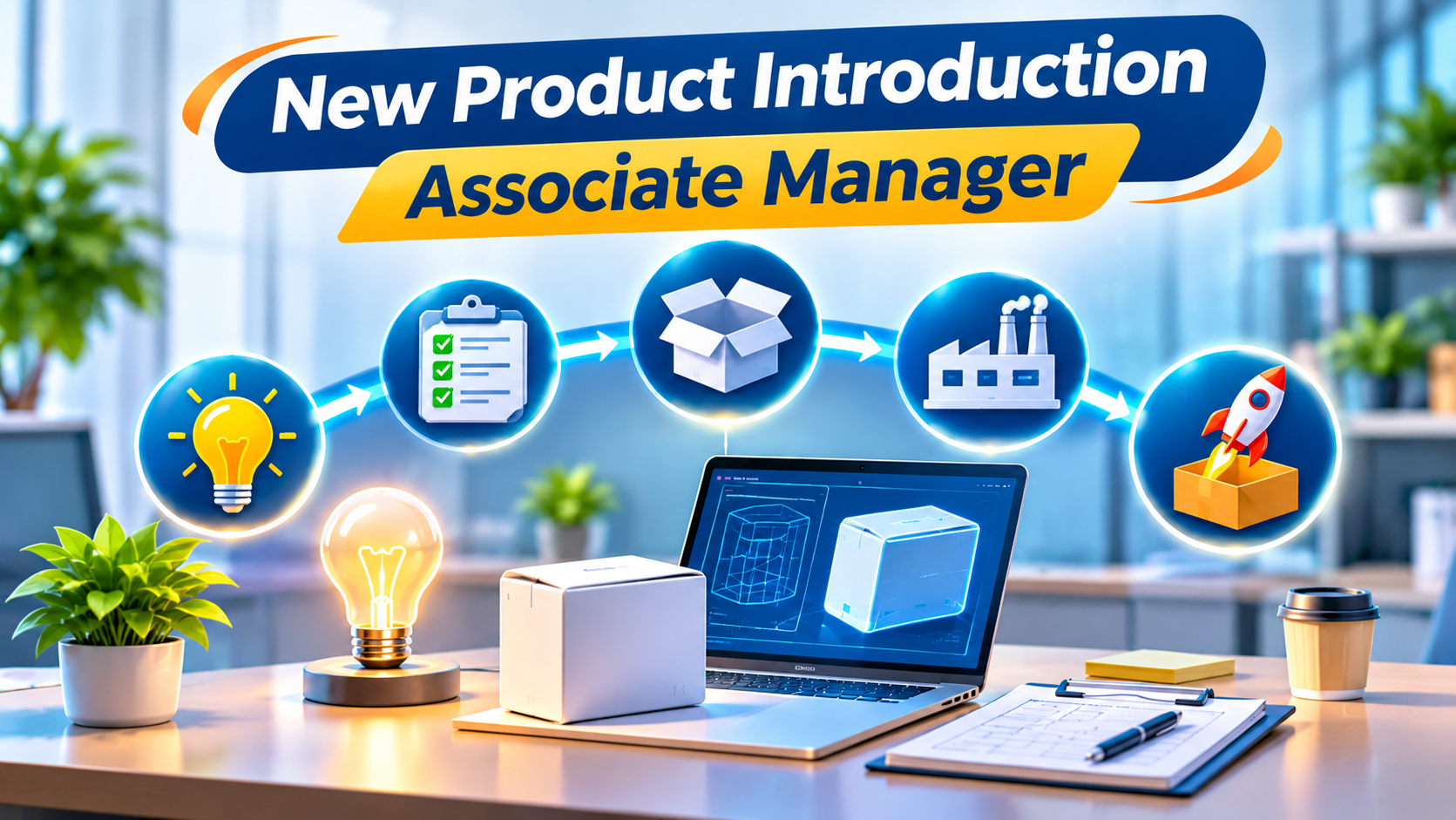
New Product Introduction (NPI) is a structured business process that helps organizations transform innovative ideas into market-ready products. It involves multiple stages, including product planning, research, design, engineering, testing, manufacturing, and commercial launch.
In today’s competitive business environment, organizations must introduce new products quickly while maintaining quality, controlling costs, and meeting customer expectations. This makes NPI Program Management and Product Lifecycle Development essential for businesses operating in manufacturing, engineering, technology, consumer goods, automotive, and other industries.
Effective NPI program management ensures that every stage of product development is properly coordinated. It brings together engineering, research and development, manufacturing, procurement, quality assurance, finance, and marketing teams to achieve successful product launches.
What Is NPI Program Management?
NPI Program Management refers to the planning, coordination, execution, and monitoring of activities involved in introducing a new product into the market.
An NPI Program Manager oversees the complete product introduction process and ensures that projects meet defined timelines, budgets, quality standards, and business objectives.
The role requires strong project management capabilities, technical understanding, stakeholder coordination, and risk management skills.
Key responsibilities include:
- Defining product development objectives and project scope.
- Preparing NPI project plans and timelines.
- Coordinating cross-functional teams.
- Monitoring product development milestones.
- Managing project budgets and resources.
- Identifying potential risks and operational challenges.
- Ensuring product quality and regulatory compliance.
- Coordinating product testing and validation.
- Managing product launch readiness.
The objective is to ensure a smooth transition from product concept to commercial production.
Understanding the Product Lifecycle Development Process
Product Lifecycle Development involves managing a product through its entire journey, from initial idea and design to manufacturing, market introduction, and eventual retirement.
The process generally includes the following stages.
1. Product Planning and Concept Development
The first stage focuses on identifying market opportunities, customer requirements, and potential product ideas.
Organizations conduct market research, competitor analysis, feasibility assessments, and customer studies to determine whether a proposed product has commercial potential.
During this stage, teams define product specifications, expected functionality, target customers, estimated development costs, and business objectives.
A clear product concept provides direction for subsequent development activities.
2. Product Design and Engineering
Once the product concept is approved, engineering and design teams begin developing detailed product specifications.
This stage may involve:
- Product architecture and design.
- Engineering drawings and specifications.
- Material selection.
- Prototype development.
- Technical feasibility assessments.
- Design reviews.
- Cost optimization.
Close coordination between engineering, procurement, manufacturing, and quality teams helps ensure that the product design is technically feasible and commercially viable.
3. Prototype Development and Testing
Prototype development allows organizations to evaluate product functionality, performance, reliability, and design quality before large-scale manufacturing.
Testing helps identify technical issues and potential design improvements.
Depending on the industry, validation may include performance testing, durability testing, safety assessments, software testing, and regulatory evaluations.
Feedback from prototype testing is incorporated into the product design to improve quality and reduce future production risks.
4. Manufacturing Planning and Process Validation
Manufacturing readiness is a critical part of NPI program management.
At this stage, organizations prepare production facilities, manufacturing equipment, supply chain arrangements, materials, and quality control procedures.
Key activities include:
- Production line preparation.
- Supplier qualification.
- Material availability planning.
- Manufacturing process validation.
- Production capacity assessment.
- Quality inspection planning.
- Workforce training.
Effective manufacturing planning ensures that production can begin without unnecessary delays or quality issues.
5. Product Launch and Commercialization
The product launch stage marks the transition from development to commercial availability.
NPI Program Managers coordinate with manufacturing, marketing, sales, distribution, and supply chain teams to ensure launch readiness.
Important activities include final product approval, production scheduling, inventory planning, packaging readiness, distribution coordination, and launch performance monitoring.
A well-managed product launch helps organizations meet customer demand and achieve their commercial objectives.
6. Post-Launch Monitoring and Product Improvement
Product lifecycle management does not end after a successful launch.
Organizations continuously monitor product performance, customer feedback, manufacturing quality, warranty claims, and market demand.
These insights help identify improvement opportunities, optimize production costs, and support future product upgrades.
Post-launch reviews also provide valuable lessons for improving subsequent NPI programs.
Key Responsibilities of an NPI Program Manager
An NPI Program Manager acts as the central coordinator throughout the product introduction process.
Some of the major responsibilities include:
Program Planning: Developing project schedules, defining milestones, allocating resources, and establishing performance expectations.
Cross-Functional Leadership: Coordinating engineering, manufacturing, procurement, quality, finance, and supply chain teams.
Risk Management: Identifying technical, financial, operational, and supply chain risks and developing mitigation strategies.
Budget Management: Monitoring development expenses, production costs, resource utilization, and financial performance.
Quality Management: Ensuring that products meet defined specifications, customer expectations, and regulatory requirements.
Stakeholder Communication: Providing regular program updates, tracking progress, and communicating challenges to senior leadership.
Launch Execution: Ensuring that product design, manufacturing, supply chain, and commercial teams are aligned before market introduction.
Importance of Cross-Functional Collaboration in NPI
Successful product introduction depends on effective collaboration between multiple business functions.
Engineering teams focus on product design and technical specifications, while manufacturing teams ensure production readiness. Procurement manages suppliers and material availability, and quality teams establish testing and inspection standards.
Finance teams monitor budgets and product costs, while marketing and sales teams prepare for commercial launch.
NPI Program Managers connect these functions and ensure that all stakeholders work toward common objectives.
Strong collaboration reduces communication gaps, prevents project delays, and improves overall product development efficiency.
Technology and Digital Transformation in Product Lifecycle Development
Technology is transforming how organizations manage product development and introduction programs.
Modern Product Lifecycle Management (PLM) platforms help businesses manage product information, engineering changes, design documentation, and collaboration across departments.
Enterprise solutions such as SAP, Siemens Teamcenter, and PTC Windchill support product data management and lifecycle coordination.
Organizations are also adopting artificial intelligence, digital twins, predictive analytics, and automation to improve product development processes.
These technologies can help businesses:
- Accelerate product design and development.
- Improve engineering collaboration.
- Identify potential production issues.
- Optimize product costs.
- Enhance quality monitoring.
- Improve supply chain visibility.
- Reduce product launch risks.
Digital transformation enables organizations to make faster, data-driven decisions throughout the product lifecycle.
Key Skills Required for NPI Program Management
Professionals working in NPI Program Management need a combination of technical knowledge, business understanding, and leadership capabilities.
Important skills include:
- New Product Introduction (NPI) processes.
- Product Lifecycle Management (PLM).
- Project and program management.
- Product design and engineering fundamentals.
- Manufacturing and supply chain operations.
- Quality assurance and validation.
- Budget and resource management.
- Risk assessment and mitigation.
- Cross-functional team leadership.
- Stakeholder management.
- ERP and PLM software knowledge.
- Data analysis and reporting.
Knowledge of Agile methodologies, Lean Manufacturing, Six Sigma, and continuous improvement practices can also be valuable.
Career Opportunities in NPI and Product Development
As organizations continue investing in innovation and product development, demand for experienced NPI professionals is growing across industries.
Professionals can explore opportunities such as:
- NPI Program Manager
- New Product Introduction Manager
- Product Development Manager
- Product Lifecycle Manager
- Engineering Program Manager
- Manufacturing Program Manager
- Product Operations Manager
- Technical Project Manager
- Product Launch Manager
- Director of Product Development
Global Capability Centers and multinational organizations also require professionals who can coordinate global product development programs, manage engineering operations, and support product lifecycle transformation.
Conclusion
NPI Program Management and Product Lifecycle Development play an important role in transforming innovative ideas into successful commercial products.
From concept development and engineering design to manufacturing readiness and product launch, every stage requires careful planning, effective coordination, and continuous monitoring.
Organizations that establish structured NPI processes, strengthen cross-functional collaboration, and adopt modern digital technologies can improve product quality, reduce development costs, and accelerate time to market.
As product innovation becomes increasingly important for business growth, skilled NPI Program Managers will continue to play a significant role in driving operational excellence and successful product development.