The rapid growth of artificial intelligence is transforming every industry, and Human Resources (HR) is no exception. With AI-powered tools like Claude developed by Anthropic, and platforms from OpenAI, organizations are automating recruitment, employee engagement, analytics, and workforce management.
This shift raises an important question:
What can an HR professional do to keep upskilling in the AI era?
If you are working in HR or planning to build a career in human resources, this guide will help you understand how to stay relevant and competitive in 2026 and beyond.
How HR Professionals Can Upskill in the AI Era (Complete Career Guide 2026)
Artificial intelligence is not replacing HR professionals, but it is redefining their role. Administrative tasks are being automated, and HR leaders are expected to become strategic partners in digital transformation.
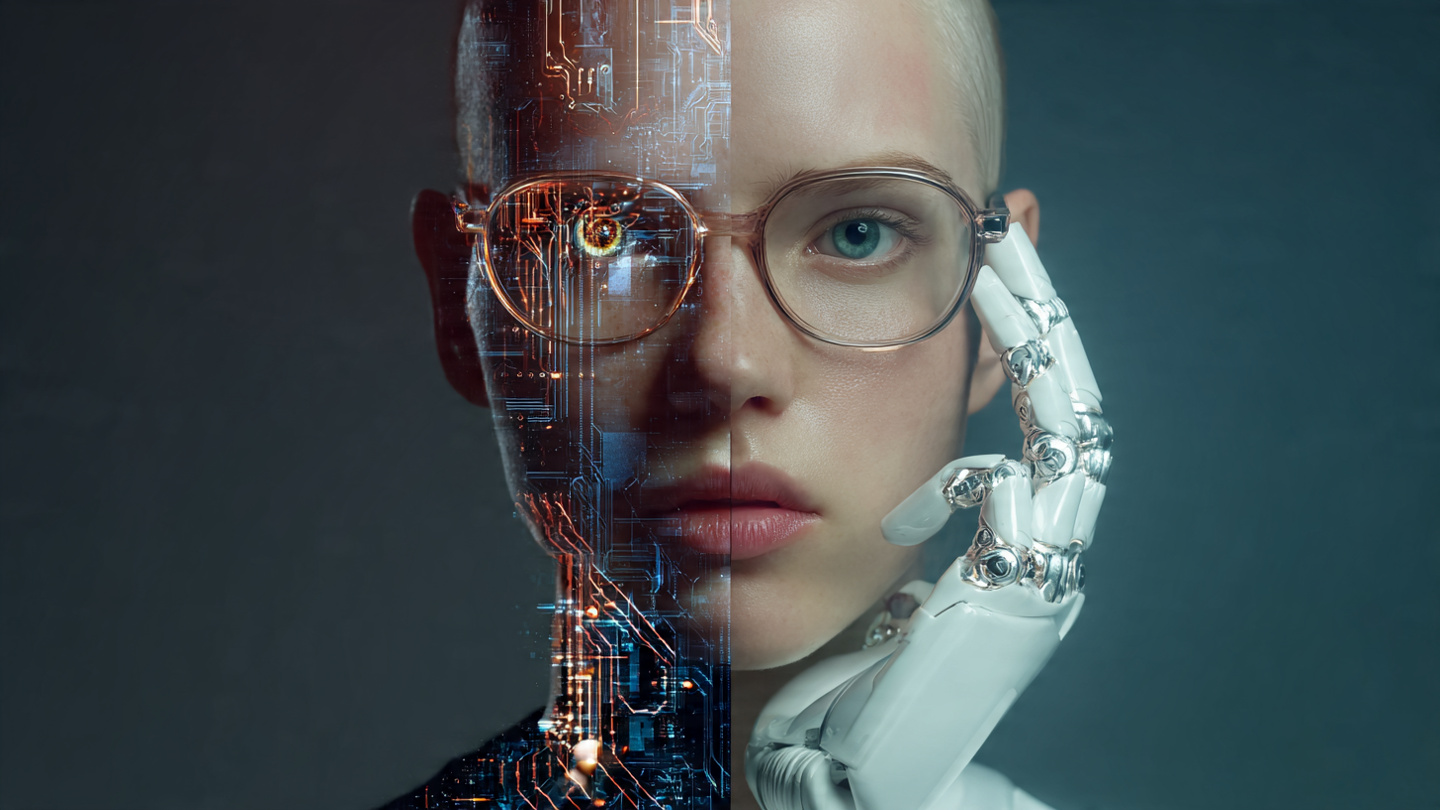
The future HR professional must combine human intelligence + artificial intelligence.
1. Learn the Basics of Artificial Intelligence
You don’t need to become a data scientist, but understanding AI fundamentals is essential.
Start with:
- What is AI and Machine Learning?
- How generative AI works
- Natural Language Processing (NLP) basics
- Automation in recruitment
There are many beginner-friendly online courses that explain AI in simple terms. Having foundational knowledge helps HR professionals confidently use AI tools in hiring and workforce planning.
2. Develop HR Analytics Skills
Modern HR is becoming data-driven. Companies now rely on data insights for:
- Employee retention prediction
- Performance tracking
- Workforce planning
- Diversity and inclusion metrics
Learning tools like Excel advanced analytics, Power BI, or basic data visualization platforms can significantly enhance your value.
People Analytics is one of the fastest-growing HR specializations in the AI era.
3. Master AI-Powered Recruitment Tools
Recruitment is one of the most impacted HR functions. AI tools can:
- Screen resumes automatically
- Rank candidates
- Conduct chatbot-based pre-interviews
- Analyze candidate skills
HR professionals must understand how these tools work and how to use them effectively without bias.
Instead of competing with AI, learn to manage AI.
4. Improve Digital and Tech Skills
HR professionals should become comfortable with:
- HRMS (Human Resource Management Systems)
- Applicant Tracking Systems (ATS)
- Cloud-based HR platforms
- Automation software
Digital literacy is no longer optional. Companies prefer HR managers who understand technology-driven workflows.
5. Strengthen Human Skills That AI Cannot Replace
While AI can analyze data, it cannot replace emotional intelligence.
Focus on:
- Communication skills
- Conflict resolution
- Leadership development
- Coaching and mentoring
- Organizational culture building
In the AI era, soft skills become even more valuable.
6. Learn About AI Ethics and Compliance
AI-based hiring tools can unintentionally create bias. HR professionals must understand:
- Responsible AI usage
- Data privacy laws
- Workplace compliance standards
- Fair hiring practices
Knowledge of AI governance frameworks gives HR professionals a strategic advantage.
7. Earn Certifications in HR Technology
Certifications help build credibility. Consider programs related to:
- HR analytics
- Digital HR transformation
- AI in recruitment
- Workforce planning
Adding technology-focused certifications to your profile increases job opportunities in multinational companies.
8. Stay Updated With Industry Trends
The AI landscape evolves rapidly. HR professionals should:
- Follow HR tech blogs
- Attend webinars and workshops
- Participate in HR communities
- Read case studies on AI adoption
Continuous learning ensures long-term career growth.
9. Build Cross-Functional Knowledge
HR professionals who understand business operations, finance basics, and technology strategy are more valuable.
AI-driven organizations expect HR leaders to contribute to:
- Strategic workforce planning
- Organizational restructuring
- Productivity optimization
The future HR leader is a business partner, not just an administrator.
10. Adopt a Growth Mindset
The AI era rewards adaptability.
Instead of fearing automation:
- Experiment with AI tools
- Use AI for productivity
- Learn prompt writing basics
- Practice using AI for HR documentation
A proactive mindset ensures career stability.
Future Career Opportunities for HR Professionals
Upskilling in AI can open doors to new roles such as:
- HR Data Analyst
- People Analytics Specialist
- HR Technology Consultant
- Digital Transformation Manager
- Workforce Strategy Analyst
Companies are actively hiring HR professionals who combine technology knowledge with human expertise.
Why Upskilling Is Important in 2026
Automation will continue increasing in:
- Resume screening
- Payroll processing
- Attendance management
- Employee documentation
HR professionals who rely only on traditional methods may struggle. However, those who embrace AI will become indispensable.
The future workplace will operate on a Human + AI collaboration model.
Conclusion
The AI era is not a threat to HR careers—it is an opportunity.
HR professionals who invest in AI literacy, data analytics, digital tools, and soft skills will lead the next generation of workforce management. Tools like Claude and other AI platforms are assistants, not replacements.
The key to long-term success is simple:
Keep learning. Keep adapting. Keep leading.
In 2026 and beyond, HR professionals who blend empathy with technology will shape the future of work.