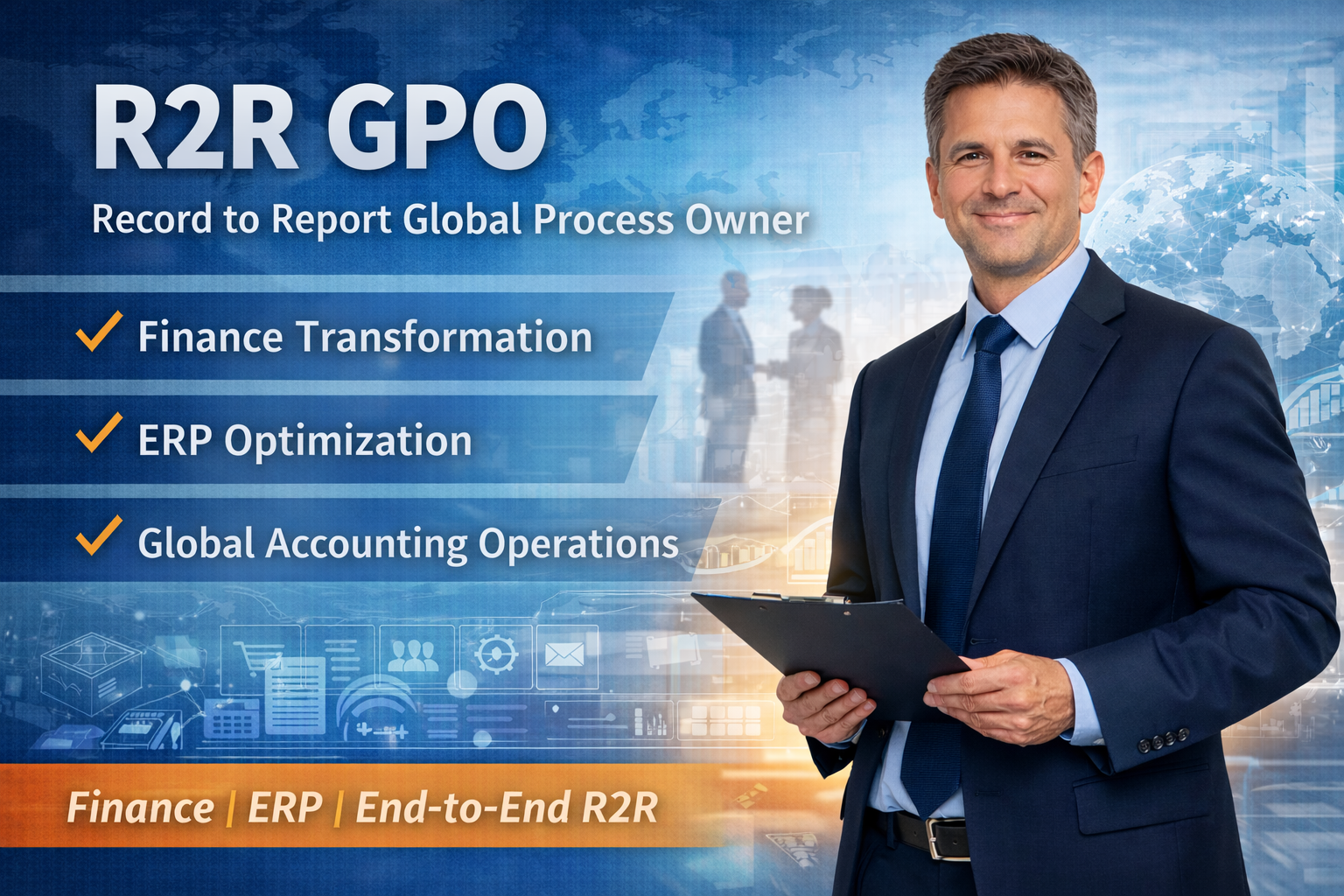
The world of Finance and Accounts (F&A) is currently undergoing its most significant evolution since the invention of double-entry bookkeeping. As Artificial Intelligence (AI) and blockchain technology redefine traditional auditing and reporting, the role of the finance professional has shifted from a “number cruncher” to a “strategic business partner.”
For job seekers, this transition offers a lucrative opportunity. Whether you are a fresh graduate or a mid-career professional, understanding the new pillars of the F&A sector is essential for securing a high-growth position in today’s competitive market.
1. The Modern Landscape of Finance & Accounts Roles
Today’s job market categorizes F&A into several specialized streams. When searching for your next role, it is important to identify where your skills align best:
Corporate Accounting & Taxation
This remains the bedrock of the industry. Professionals here ensure that companies comply with local and international tax laws (like GST, VAT, or Corporate Tax). Roles include Tax Managers, Statutory Auditors, and Financial Controllers.
Financial Planning & Analysis (FP&A)
FP&A is the “forward-looking” arm of finance. These professionals use historical data to create budgets, forecasts, and long-range plans. They are essential for helping a company decide where to invest and where to cut costs.
Investment Banking & Equity Research
These high-stakes roles involve capital raising, mergers and acquisitions (M&A), and analyzing the stock market to provide investment recommendations.
FinTech & Digital Accounting
A rapidly growing sector focusing on digital payments, cryptocurrency accounting, and the implementation of automated accounting software (ERP systems like SAP, Oracle, or Microsoft Dynamics 365).
2. Essential Skills for the 2026 Finance Professional
To land a premium job, your resume must reflect a balance of traditional technical skills and modern technological literacy.
Advanced Data Analytics
In 2026, proficiency in Excel is the bare minimum. Employers are now looking for candidates who can use Python or R for financial modeling and Power BI or Tableau for data visualization. Being able to “tell a story” with numbers is what separates a clerk from a consultant.
Knowledge of Global Standards (IFRS vs. GAAP)
As businesses become more global, understanding the difference between International Financial Reporting Standards (IFRS) and Generally Accepted Accounting Principles (GAAP) is crucial for anyone looking to work for multinational corporations (MNCs).
Ethical Judgment and Compliance
With the rise of automated data, the human element of “professional skepticism” is more valuable than ever. Understanding Anti-Money Laundering (AML) laws and Know Your Customer (KYC) protocols is a major requirement in the banking and finance sectors.
Soft Skills: Communication and Leadership
Finance professionals are now required to present their findings to non-finance departments (like Marketing or Operations). The ability to simplify complex financial jargon into actionable business advice is a top-tier skill.
3. Top Certifications to Boost Your Resume
In the F&A world, your degree is your foundation, but your certifications are your “accelerators.” Depending on your career goal, consider the following:
- CPA (Certified Public Accountant): The gold standard for accounting in the US and globally.
- CA (Chartered Accountant): Highly respected in Commonwealth countries for auditing and taxation.
- CFA (Chartered Financial Analyst): The most rigorous and respected certification for investment and portfolio management.
- CMA (Certified Management Accountant): Best for those aiming for internal corporate leadership and FP&A roles.
- ACCA (Association of Chartered Certified Accountants): A flexible, globally recognized qualification for all-around accounting expertise.
4. Navigating the Recruitment Process
Applying for an F&A role requires a strategic approach. Here is how to navigate the typical hiring stages:
The ATS-Friendly Resume
Most large firms use Applicant Tracking Systems (ATS) to filter resumes. Ensure you include keywords like “Reconciliation,” “Variance Analysis,” “Cash Flow Management,” and “Financial Statement Preparation.”
The Technical Assessment
Expect to be tested. Many firms provide a case study where you have 48 hours to analyze a set of financial statements and provide a 5-slide summary of the company’s health.
The Behavioral Interview
Prepare for questions like: “Tell me about a time you found a discrepancy in a financial report and how you handled it.” Use the STAR method (Situation, Task, Action, Result) to provide a clear, impactful answer.
5. Compensation and Growth Outlook
The F&A sector remains one of the most stable and high-paying industries. While entry-level roles provide a comfortable starting point, the salary curve steepens significantly at the 5-year and 10-year marks.
Industry Insight: In 2026, the highest salary growth is being seen in “Finance Business Partnering” roles, where professionals act as internal consultants for different business units.
6. Future Trends: AI and the “Green” Economy
As we look toward the end of the decade, two major trends are shaping F&A careers:
- AI-Augmented Auditing: AI is now used to scan thousands of transactions in seconds to detect fraud. The role of the auditor is shifting toward verifying the AI’s logic rather than manual checking.
- ESG Reporting: Companies are now legally required to report their environmental and social impact. This has created a whole new niche: Sustainability Accounting.
Conclusion: Building a Future-Proof Career
A career in Finance and Accounts is a marathon, not a sprint. It requires a commitment to continuous learning as regulations and technologies change. However, for those who can combine technical accuracy with strategic insight, the rewards are immense—ranging from professional stability to a seat at the executive table.