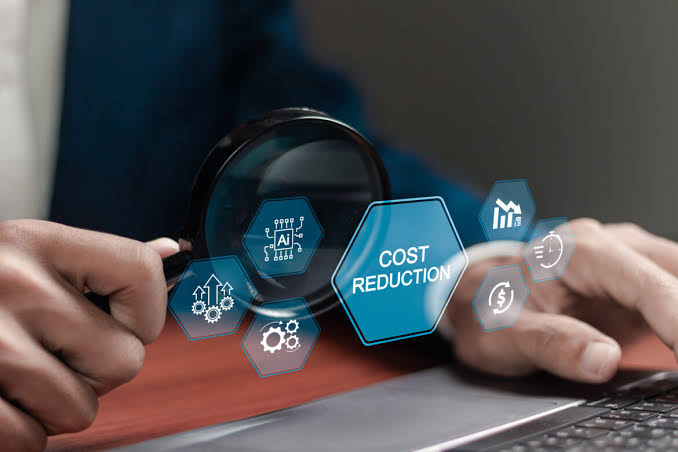
Artificial Intelligence (AI) is revolutionizing supply chain management by helping organizations make smarter, faster, and more accurate decisions. Traditional supply chains often struggle with fluctuating customer demand, inventory shortages, transportation delays, and operational inefficiencies. AI-powered supply chain optimization addresses these challenges by analyzing vast amounts of data, predicting future trends, and automating critical business processes.
From manufacturers and retailers to healthcare providers and logistics companies, organizations are increasingly adopting AI to improve operational efficiency, reduce costs, and enhance customer satisfaction. As global supply chains become more complex, AI has become an essential tool for building resilient and data-driven operations.
What Is AI-Powered Supply Chain Optimization?
AI-powered supply chain optimization refers to the use of artificial intelligence, machine learning, predictive analytics, and automation technologies to improve every stage of the supply chain. These technologies analyze historical and real-time data to support better planning, demand forecasting, procurement, inventory management, production scheduling, transportation, and delivery.
Unlike traditional systems that rely heavily on manual processes and static rules, AI continuously learns from new data, enabling organizations to adapt quickly to changing market conditions.
Why AI Matters in Supply Chain Management
Modern supply chains generate massive volumes of data from suppliers, warehouses, transportation networks, production facilities, and customer interactions. AI converts this data into actionable insights that help businesses respond faster and make informed decisions.
Key benefits include:
- Improved demand forecasting
- Reduced inventory costs
- Faster order fulfillment
- Better supplier collaboration
- Enhanced logistics planning
- Increased operational efficiency
- Lower transportation expenses
- Improved customer satisfaction
Key Applications of AI in Supply Chain Optimization
1. Demand Forecasting
AI analyzes historical sales, seasonal trends, promotions, customer behavior, and external factors such as weather or economic conditions to generate more accurate demand forecasts.
Benefits include:
- Reduced stockouts
- Lower excess inventory
- Better production planning
- Improved sales forecasting
2. Intelligent Inventory Management
Maintaining the right inventory levels is essential for controlling costs while meeting customer demand.
AI helps organizations:
- Optimize stock levels
- Predict replenishment needs
- Reduce carrying costs
- Minimize waste
- Improve warehouse utilization
3. Warehouse Automation
AI-powered warehouse management systems improve productivity through automation.
Examples include:
- Automated picking systems
- Smart inventory tracking
- Robotics-assisted packing
- Computer vision for quality inspection
- Warehouse route optimization
These technologies reduce manual effort and improve operational accuracy.
4. Transportation and Route Optimization
AI enables logistics companies to optimize delivery routes by considering traffic conditions, fuel consumption, weather, delivery priorities, and vehicle capacity.
Benefits include:
- Faster deliveries
- Reduced fuel costs
- Lower emissions
- Improved driver productivity
- Better customer experience
5. Supplier Risk Management
AI continuously monitors supplier performance using operational, financial, and market data.
Organizations can:
- Identify high-risk suppliers
- Predict delivery delays
- Monitor contract compliance
- Improve supplier selection
- Diversify sourcing strategies
This strengthens supply chain resilience.
6. Predictive Maintenance
Manufacturing organizations use AI to monitor equipment performance and predict failures before they occur.
Advantages include:
- Reduced downtime
- Lower maintenance costs
- Longer equipment life
- Improved production efficiency
Predictive maintenance helps avoid costly disruptions in manufacturing operations.
7. Order and Procurement Automation
AI simplifies procurement by automating routine purchasing activities.
Capabilities include:
- Purchase order generation
- Vendor recommendations
- Invoice matching
- Contract analysis
- Spend analysis
Automation speeds up procurement while reducing human errors.
8. Supply Chain Visibility
AI integrates data from multiple systems to provide real-time visibility across the entire supply chain.
Organizations can monitor:
- Inventory status
- Shipment tracking
- Supplier performance
- Warehouse operations
- Customer orders
- Production schedules
This enables faster responses to disruptions and changing business conditions.
Technologies Powering AI-Driven Supply Chains
Several advanced technologies support AI-powered supply chain optimization:
- Machine Learning (ML)
- Predictive Analytics
- Natural Language Processing (NLP)
- Computer Vision
- Robotic Process Automation (RPA)
- Internet of Things (IoT)
- Digital Twins
- Cloud Computing
- Big Data Analytics
These technologies work together to improve planning, automation, and decision-making.
Business Benefits
Organizations implementing AI-powered supply chain solutions often experience:
- Improved forecasting accuracy
- Faster decision-making
- Reduced operational costs
- Better inventory control
- Increased productivity
- Higher customer satisfaction
- Improved supplier relationships
- Greater business resilience
These benefits provide a significant competitive advantage in dynamic markets.
Challenges to Adoption
Despite its advantages, AI implementation requires careful planning.
Common challenges include:
- Poor data quality
- Integration with legacy systems
- High implementation costs
- Data security concerns
- Employee skill gaps
- Change management
- Regulatory compliance
Organizations should address these challenges through phased implementation, employee training, and strong data governance.
Best Practices for AI-Powered Supply Chains
To maximize the value of AI, organizations should:
- Establish a clear AI strategy aligned with business goals.
- Invest in high-quality, well-governed data.
- Integrate AI with ERP, warehouse, and logistics systems.
- Start with high-impact use cases such as demand forecasting or inventory optimization.
- Continuously monitor AI model performance and update models as business conditions change.
- Train employees to interpret AI-driven insights and support adoption.
Future Trends
The future of AI in supply chain management will include:
- Autonomous supply chains
- AI-powered digital twins
- Generative AI for supply planning
- Hyperautomation
- Sustainable logistics optimization
- Real-time predictive risk management
- Blockchain-enabled supply chain transparency
- Collaborative AI decision support
These innovations will help organizations build more agile, efficient, and resilient supply chains.
Conclusion
AI-powered supply chain optimization is transforming the way businesses manage planning, inventory, logistics, procurement, and customer fulfillment. By combining artificial intelligence with predictive analytics, automation, IoT, and cloud technologies, organizations can improve operational efficiency, reduce costs, and respond more effectively to changing market demands.
As digital transformation accelerates, companies that invest in AI-driven supply chain solutions will be better positioned to improve resilience, enhance customer satisfaction, and achieve long-term business growth.