Share your Resume directly on career@placewell.com OR share your resume through WhatsApp – 9899114771
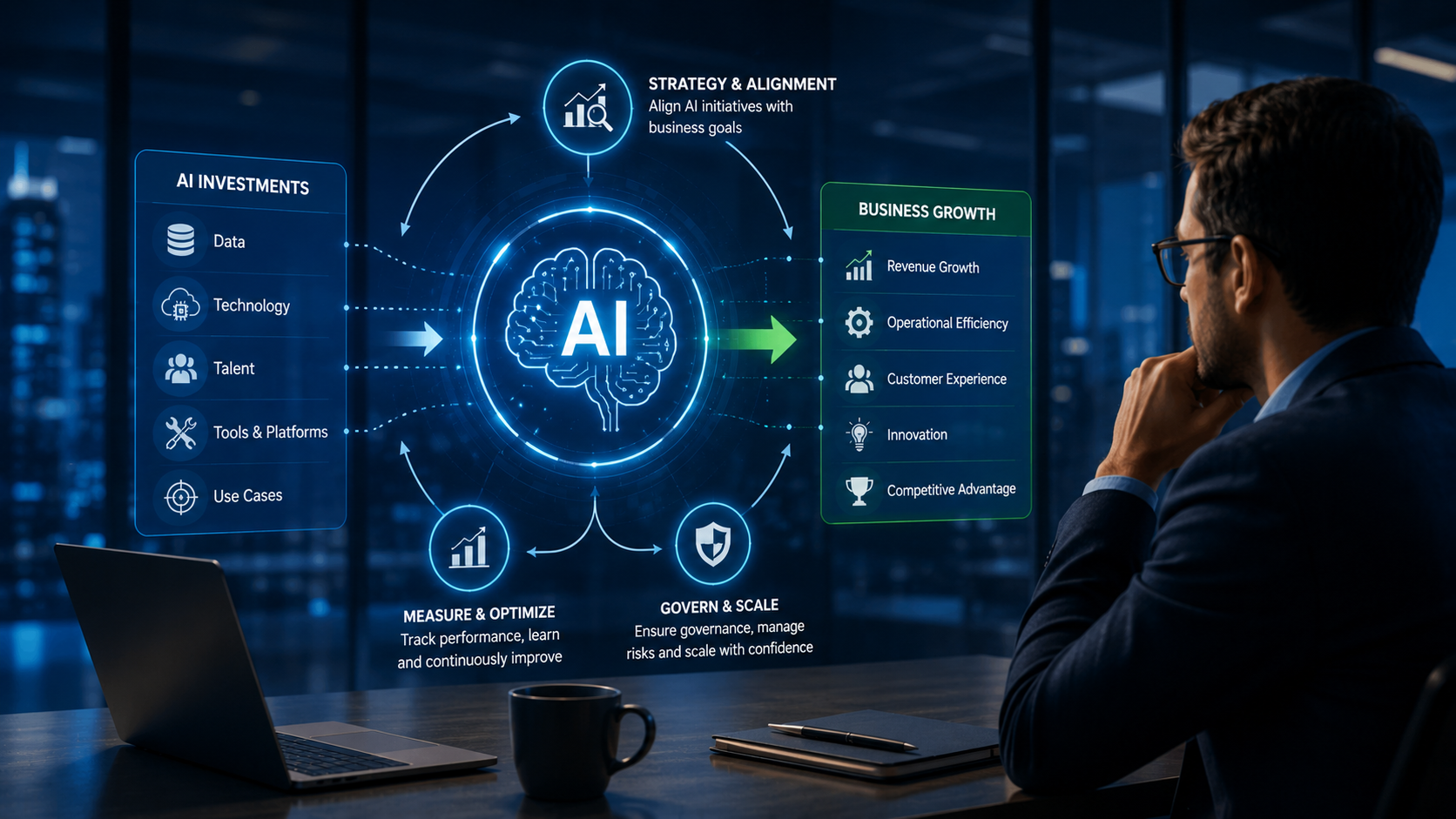
Artificial Intelligence (AI) is rapidly transforming how organizations design, manage, and evolve their enterprise architecture (EA). In today’s digital-first economy, businesses must adapt quickly to changing technologies, customer expectations, and market dynamics. Enterprise Architecture Planning plays a crucial role in aligning IT infrastructure with business goals—and AI is becoming a powerful enabler in this process.
This article explores the role of AI in enterprise architecture planning, its benefits, use cases, and why it is essential for modern organizations.
What is Enterprise Architecture Planning?
Enterprise Architecture Planning (EAP) is a strategic approach used by organizations to align their business processes, information systems, and technology infrastructure with overall business objectives. It ensures that all systems work together efficiently and support long-term growth.
Traditionally, EAP has been a complex and time-consuming process involving manual analysis, documentation, and forecasting. However, with the integration of AI, this process is becoming smarter, faster, and more efficient.
How AI is Transforming Enterprise Architecture
1. Intelligent Data Analysis
AI can process vast amounts of structured and unstructured data much faster than humans. In enterprise architecture planning, AI tools analyze business data, IT systems, workflows, and dependencies to identify patterns and inefficiencies.
This helps architects:
- Make data-driven decisions
- Identify system redundancies
- Optimize IT investments
2. Automated Architecture Design
AI-powered tools can automatically generate architecture models based on business requirements. These tools use machine learning algorithms to suggest optimal system designs, reducing the need for manual intervention.
Benefits include:
- Faster planning cycles
- Reduced human errors
- Improved accuracy in system design
3. Predictive Analytics for Future Planning
AI enables predictive analytics, allowing organizations to forecast future technology needs and risks. This is particularly useful in enterprise architecture planning where long-term decisions are critical.
AI can predict:
- System performance issues
- Infrastructure scalability needs
- Technology obsolescence
4. Enhanced Decision-Making
AI provides real-time insights and recommendations, helping enterprise architects make better decisions. By analyzing historical data and current trends, AI suggests the best architectural strategies.
This leads to:
- Better resource allocation
- Reduced operational risks
- Improved business alignment
5. Improved Risk Management
Enterprise architecture involves managing complex systems with potential risks. AI helps identify vulnerabilities, security threats, and compliance issues before they become critical problems.
Key advantages:
- Proactive risk detection
- Enhanced cybersecurity planning
- Compliance monitoring
6. Automation of Repetitive Tasks
AI automates routine tasks such as documentation, reporting, and system monitoring. This allows enterprise architects to focus on strategic initiatives rather than manual processes.
Examples of automation:
- System mapping
- Dependency tracking
- Performance monitoring
Key Use Cases of AI in Enterprise Architecture
1. IT Portfolio Optimization
AI helps organizations analyze their IT portfolio and identify underperforming or redundant systems. This ensures cost optimization and better resource utilization.
2. Cloud Migration Strategy
AI assists in planning cloud migrations by evaluating workloads, dependencies, and risks. It recommends the best cloud architecture for scalability and performance.
3. Digital Transformation Initiatives
AI plays a vital role in guiding digital transformation by aligning technology with business innovation strategies.
4. Business Process Optimization
AI identifies inefficiencies in workflows and suggests improvements, enhancing overall operational efficiency.
Benefits of AI in Enterprise Architecture Planning
- Faster Decision-Making: AI delivers insights in real-time
- Cost Efficiency: Reduces unnecessary IT spending
- Scalability: Supports future growth and expansion
- Accuracy: Minimizes errors in planning and execution
- Agility: Helps organizations adapt to market changes quickly
Challenges of Implementing AI in EA
Despite its benefits, integrating AI into enterprise architecture planning comes with challenges:
- High implementation costs
- Data privacy concerns
- Lack of skilled professionals
- Integration with legacy systems
Organizations must address these challenges through proper strategy and planning.
Future of AI in Enterprise Architecture
The future of enterprise architecture is deeply connected with AI advancements. As AI technologies continue to evolve, we can expect:
- Fully autonomous architecture planning systems
- Real-time adaptive architectures
- Increased use of AI-driven decision platforms
- Deeper integration with cloud and edge computing
AI will not replace enterprise architects but will enhance their capabilities, enabling them to focus on innovation and strategy.
Conclusion
AI is revolutionizing enterprise architecture planning by making it more intelligent, efficient, and future-ready. From data analysis and predictive insights to automation and risk management, AI empowers organizations to build robust and scalable architectures.
For professionals in enterprise architecture, understanding AI is no longer optional—it is essential. Organizations that leverage AI in their architecture planning will gain a competitive edge in today’s rapidly evolving digital landscape.
Share your Resume directly on career@placewell.com OR share your resume through WhatsApp – 9899114771